The Importance of Urine Testing
Urine testing, also known as urinalysis, is a crucial diagnostic tool used by healthcare professionals to assess various aspects of a person’s health. This non-invasive method provides valuable insights into the functioning of the kidneys, urinary tract, and other vital organs. Urine testing is widely utilized for various purposes, including detecting medical conditions, monitoring treatment effectiveness, and screening for drug use.
Medical Applications of Urine Testing
Urine testing plays a pivotal role in the diagnosis and management of numerous medical conditions. Healthcare providers often request urine tests to evaluate kidney function, detect urinary tract infections, and identify metabolic disorders. Additionally, urinalysis can aid in the early detection of diseases such as diabetes, liver problems, and certain types of cancer. The presence of abnormal substances or cells in the urine can provide valuable clues about an individual’s overall health status.Moreover, urine testing is instrumental in monitoring the progress of patients with specific medical conditions. For instance, individuals with diabetes regularly undergo urine testing to assess their blood sugar control and detect potential complications. Similarly, patients undergoing treatment for kidney disease or urinary tract issues may undergo frequent urine tests to evaluate the effectiveness of interventions and make necessary adjustments to their care plans.
Drug Testing and Urinalysis
In addition to its clinical applications, urine testing is widely employed for drug screening purposes. Many organizations, including employers, law enforcement agencies, and sports governing bodies, utilize urine tests to detect the presence of illicit substances or performance-enhancing drugs. These tests are instrumental in promoting workplace safety, preventing substance abuse, and maintaining fairness in competitive sports.Urine drug testing is a highly effective method for detecting a wide range of substances, including opioids, marijuana, cocaine, amphetamines, and benzodiazepines. By analyzing urine samples, laboratories can identify the presence of these substances and provide objective results that inform important decisions regarding employment, legal matters, and athletic competitions.
Understanding the Urine Testing Process
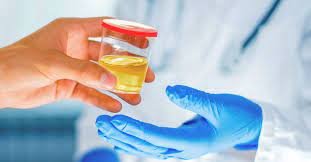
The process of urine testing involves several key steps, beginning with the collection of a urine sample. Patients are typically provided with a sterile container in which to collect their urine. It is essential to follow specific instructions to ensure the accuracy and reliability of the sample. Once the sample is collected, it is securely labeled and sent to a laboratory for analysis.At the laboratory, trained technicians conduct a comprehensive examination of the urine sample. This analysis may involve assessing physical characteristics such as color, clarity, and odor, as well as conducting chemical tests to identify the presence of various substances. In the case of drug testing, laboratories employ advanced techniques to detect specific drugs or their metabolites in the urine.Following the analysis, the laboratory generates a detailed report that outlines the findings of the urine test. This report is then shared with the healthcare provider or organization that requested the test, enabling them to make informed decisions based on the results. In the context of clinical care, healthcare professionals use the information obtained from urine testing to diagnose conditions, monitor treatment effectiveness, and provide personalized care to their patients.In conclusion, urine testing is a valuable tool with diverse applications in healthcare and other sectors. Whether it is used to diagnose medical conditions, monitor treatment progress, or screen for drug use, urinalysis provides valuable insights that inform important decisions and contribute to the overall well-being of individuals and communities. As technology continues to advance, urine testing methods are likely to become even more sophisticated, further enhancing their diagnostic capabilities and contributing to improved health outcomes.


Reviews
There are no reviews yet.